
 See Our Latest Article on HelloNation
How Can Chiropractic Approaches Aid Sports Injury Recovery?
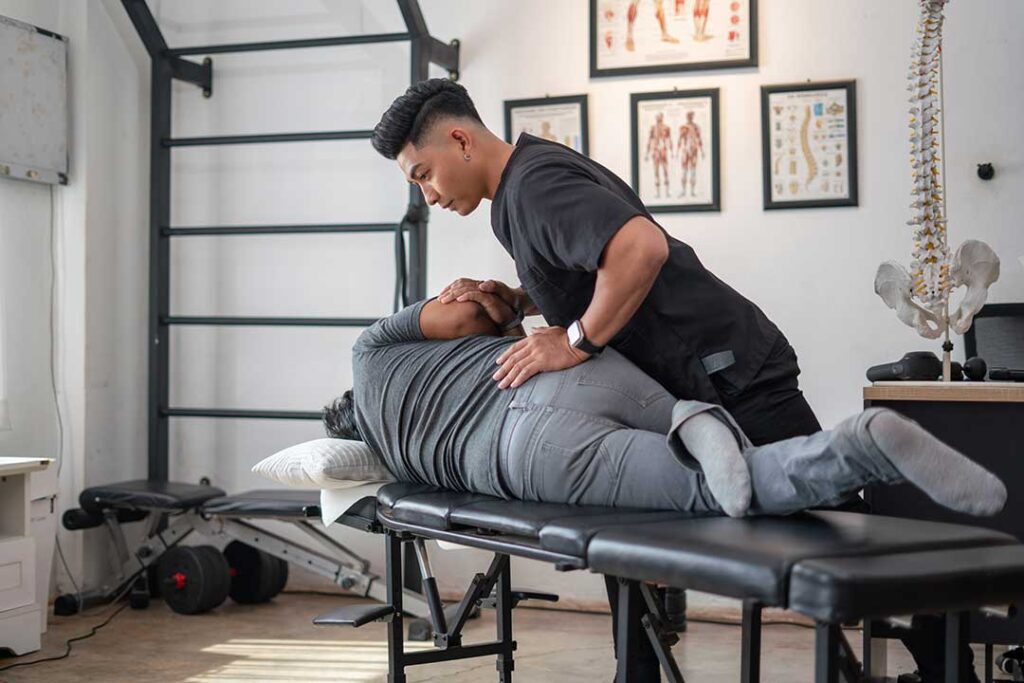
Chiropractic care supports the recovery process for many sports injuries by improving joint mobility, reducing pain, and helping restore function. The focus is on natural movement, proper alignment, and encouraging the body’s own healing capabilities. This can be especially useful for athletes and recreational participants in New Hartford, NY, who deal with a range of musculoskeletal strains and sprains each season.
Chiropractic adjustments, stretching routines, and individualized exercise suggestions may help with issues such as pulled muscles, joint discomfort, or restricted movement. These approaches are tailored to an individual’s specific injury, whether it’s a lower back sprain from shoveling snow or a sore shoulder after a game on a local field.
Which Sports Injuries Are Most Commonly Addressed?
Chiropractic care is often associated with back concerns, but it’s used for a wide variety of sports injuries. The most common injuries that may benefit include:
- Sprains and strains (ankle, knee, wrist)
- Muscle and ligament injuries
- Shoulder problems, including rotator cuff complaints
- Tendonitis, especially in high-use areas like elbows or knees
- Overuse injuries from running, cycling, or racquet sports
In regions like New Hartford, where weather changes and uneven outdoor surfaces can contribute to slips or falls, joint and muscle injuries are especially frequent in early spring and late fall.
Are Chiropractic Treatments Safe for Young Athletes?
For children and teenagers involved in school or club sports, non-invasive options offer gentle support for growing bodies. Chiropractic methods use careful, lower-force adjustments and supervised exercise plans. These techniques focus on restoring mobility and confidence, while avoiding prolonged downtime from activities like soccer, dance, or ice hockey.
Safety is prioritized. Any care plan for young people is developed with proper examination and ongoing monitoring. Practitioners work closely with caregivers to ensure treatment aligns with school activity guidelines and personal health backgrounds.
What Should Local Residents Expect During an Evaluation?
A typical visit for a sports injury starts with a thorough assessment of the injured area, overall posture, walking pattern, and strength or flexibility. Many providers may ask about:
- How the injury occurred (sudden trauma or gradual onset)
- Activity levels before and after the incident
- Other symptoms such as swelling, numbness, or instability
Evaluations may include simple range of motion tests or neurological checks, especially if tingling or weakness is present. Residents should be prepared for a hands-on examination that is attentive but not aggressive. Early sessions often focus on comfort, gentle stretching, and creating a clear recovery plan that matches each individual’s health status.
How Does Chiropractic Care Fit Alongside Other Treatments?
Chiropractic is often one part of a broader recovery strategy, rather than an isolated solution. Local athletes might combine chiropractic with physical therapy, rest, gradual reconditioning, or activities like swimming and yoga. Communication among doctors, trainers, and physical therapists helps coordinate safe progress.
In some cases—such as fractures, joint dislocations, or head injury—chiropractic care is not appropriate right away. Instead, other interventions may be necessary first. Always inform any healthcare provider about recent injuries or changes in symptoms, especially if pain is severe or does not improve with initial care.
Can Regular Chiropractic Visits Help Prevent Sports Injuries?
Ongoing chiropractic care can support injury prevention by identifying musculoskeletal imbalances or limitations before they become problematic. For community members who participate in recurring activities—such as school teams or weekend running groups—periodic check-ins often include:
- Posture assessment
- Balance and flexibility evaluations
- Recommendations for warm-ups or stretching tailored to the activity
This proactive approach allows individuals to make gradual changes that reduce injury risk. For example, learning proper lifting techniques in advance of winter snow removal, or addressing minor foot issues before a new running season, can help avoid common strains.
What Are Some Misconceptions About Chiropractic and Athletic Recovery?
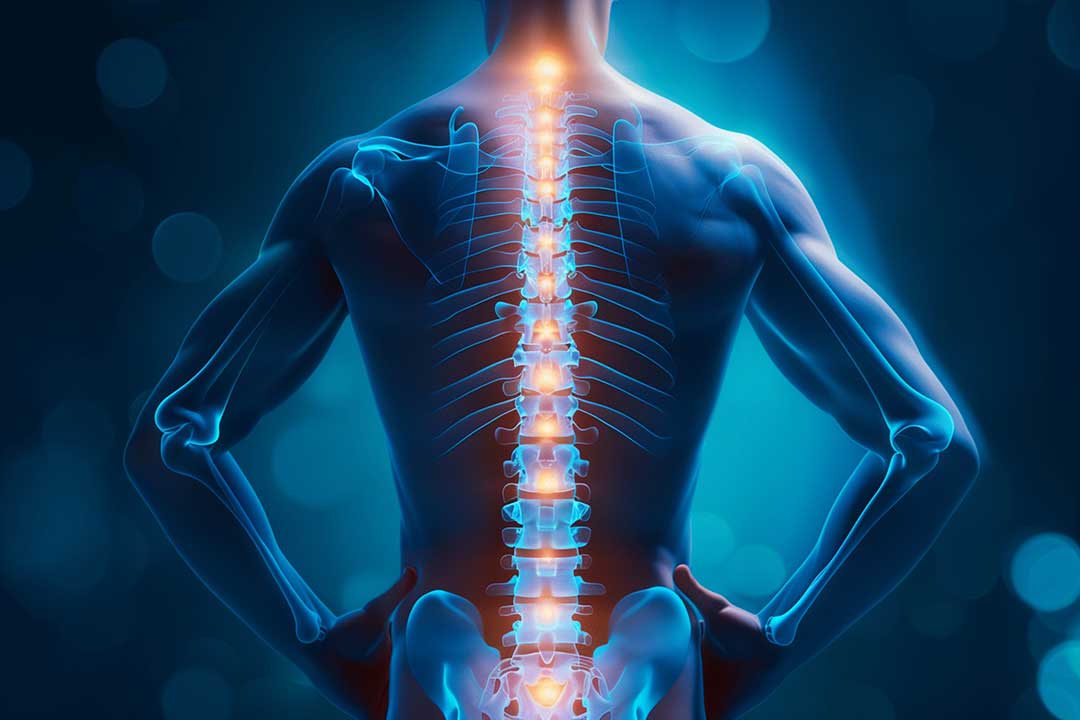
Many people believe chiropractic is only about back “cracking” or that it’s unsafe after injuries. In fact, most providers adjust their approach based on the person’s needs and the stage of healing.
- Gentle methods are used during acute pain phases.
- Treatment may include mobilization, soft tissue work, or exercise—not just adjustments.
- Effective care supports natural movement and function, rather than masking pain.
A common misconception is that athletes must stop all activity during recovery. More often, they’re encouraged to keep moving within safe limits, with modifications to support healing.
When Should Residents Seek Immediate Medical Evaluation?
While most sports-related aches and pains improve over time, certain situations need prompt attention from a medical doctor or urgent care provider:
- Sudden severe pain, especially after a forceful impact or fall
- Visible deformities (bones out of alignment)
- Loss of sensation, weakness, or difficulty moving a limb
- Signs of infection (fever, redness, or warmth near the injured area)
These can signal serious injuries requiring a different type of intervention.
What Practical Steps Support Recovery and Safe Return to Activity?
Alongside professional care, area residents can improve recovery by:
- Applying ice or heat as recommended
- Following guided home exercise plans conservatively
- Gradually restoring activity when ready, rather than pushing through pain
- Maintaining hydration and good nutrition for tissue healing
Knowledge of local facilities—such as parks, walking paths, or community pools—can help individuals rediscover movement at their own pace and build confidence after injury.
