
 See Our Latest Article on HelloNation
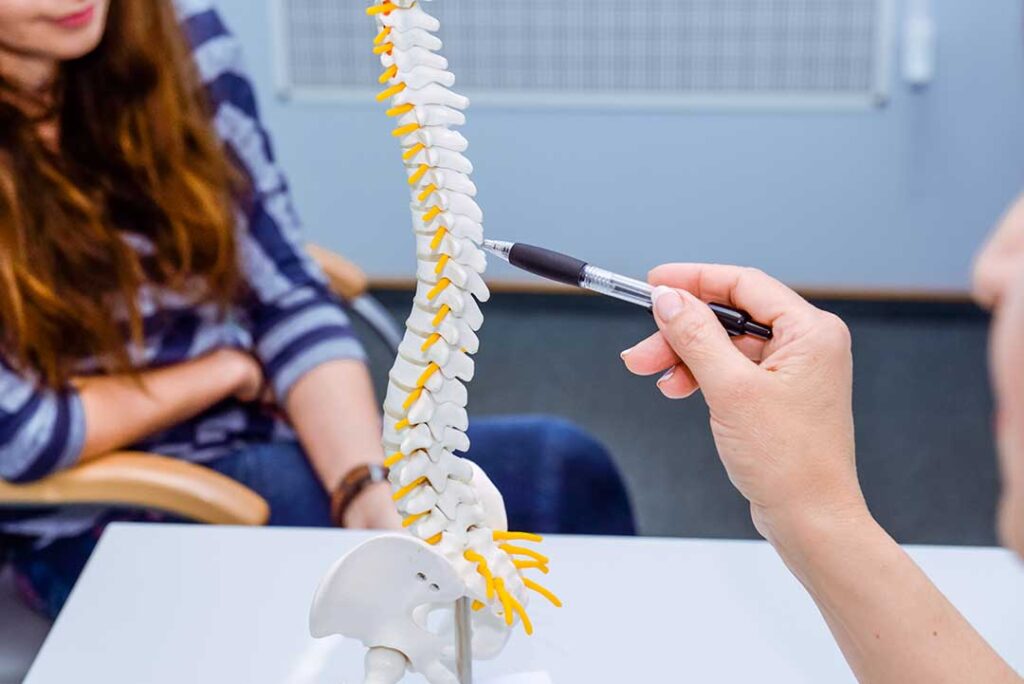
How Does Posture Affect the Body’s Health?
Poor posture places abnormal stress on muscles and joints, impacting many bodily systems beyond the back and neck. While a slouched position may seem harmless, even minor misalignments can contribute to discomfort and health issues for people in New Hartford, especially given the region’s cold winters and periods of more indoor activity.
Everyday tasks—like shoveling snow off driveways, carrying groceries inside, or sitting at a desk during chilly months—often involve repeated postural habits. Over time, these patterns may:
- Put extra strain on spinal discs and supporting ligaments
- Affect breathing and digestion by compressing the torso
- Alter core muscle balance, making regular movement less efficient
Because many local households handle both indoor and outdoor chores seasonally, being aware of postural tendencies can have far-reaching effects on overall well-being.
Can Poor Posture Cause Pain and Stiffness?
Even subtle posture problems can lead to ongoing discomfort. Prolonged slumping or forward head carriage—common in people using cell phones, computers, or watching TV—causes certain muscle groups to work overtime while others weaken.
For area residents, this can translate into:
- Stiff neck and upper back, especially after long hours at work or hunching over digital devices
- Frequent lower back pain, noticed when shoveling snow or gardening in the spring
- Tension headaches, sometimes triggered by tight shoulder muscles and reduced blood flow
Pain does not always appear immediately. Instead, symptoms often develop gradually, making it harder to connect them to posture habits. Adjusting one’s alignment, especially during repetitive tasks or desk work, can often reduce these aches significantly.
What Are Some Lesser-Known Effects of Poor Posture?
The impacts of posture go beyond aches and pains, influencing circulation, energy levels, and even mood. In New Hartford, where many people spend more time indoors due to cold weather spells, posture-related concerns can be easily overlooked.
Poor alignment can lead to:
- Decreased lung capacity, which may be noticed during brisk neighborhood walks or winter sports
- Fatigue, since the body must use extra energy to compensate for misalignments
- Stomach issues, as slouching can compress abdominal organs and slow digestion
Over time, these effects may influence how much energy someone has for daily chores, socializing, or outdoor recreation—especially when the seasons change and routines shift.
Is Poor Posture Really Linked to Stress or Mental Health?
There is growing evidence that posture can influence how people feel both physically and emotionally. Sitting or standing in a slouched posture can make some individuals feel more fatigued, less confident, or even anxious.
In the New Hartford community, where shorter days in winter can already impact mood, being mindful of posture might provide an accessible way to help manage stress and boost emotional well-being. Several studies suggest:
- Upright posture may increase alertness and decrease fatigue when working or studying at home
- Standing or sitting upright is correlated with improved focus and a more positive mood, even during stressful days
Maintaining good alignment is not a cure-all for mental health concerns but is an often-overlooked part of self-care that is easy to implement alongside other strategies.
How Can You Tell If Poor Posture Is Affecting You?
In daily life, posture issues are not always obvious. Many New Hartford households engage in routine tasks—shoveling in winter, raking leaves in the fall, gardening in the summer—that can reinforce poor movement patterns.
Warning signs that postural habits may be affecting health include:
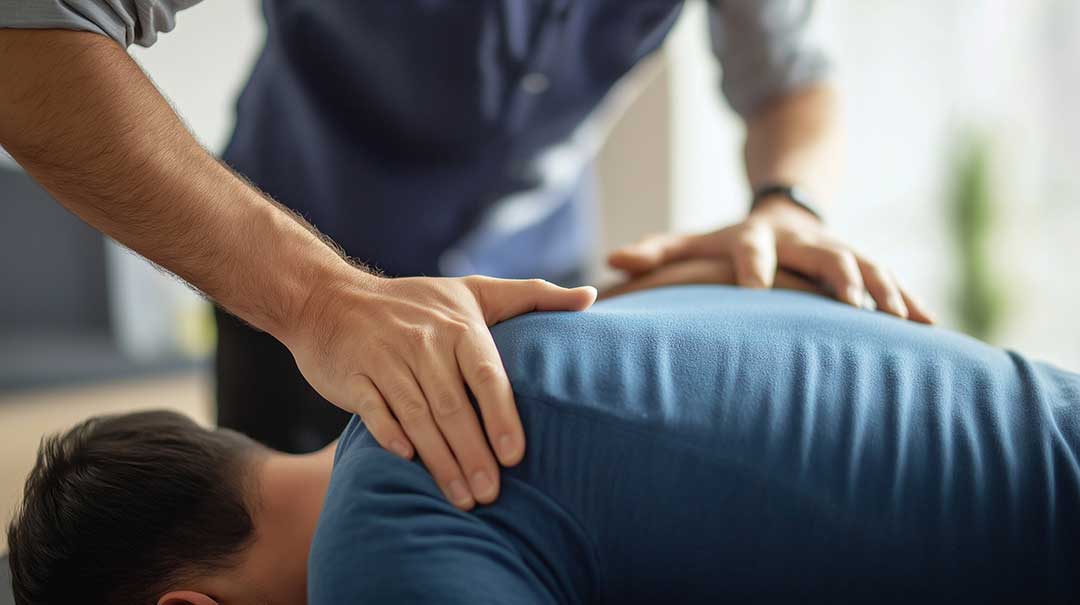
- Recurring tension in the neck, shoulders, or lower back without a clear cause
- Fatigue or soreness after sitting or standing for short periods
- Noticing that clothes feel tighter around the waist or chest when slouched
Individuals often feel taller, lighter, or experience less discomfort after trying gentle posture corrections during their favorite activities.
What Steps Can Residents Take to Improve Posture at Home?
Improving posture is not about holding a rigid stance but about making small adjustments throughout daily routines. Residents of New Hartford can consider these practical strategies:
- Arrange home workspaces so screens are at eye level and chairs provide good lower back support
- Take short, frequent breaks to stretch or walk around—especially when spending long periods indoors during colder months
- Be conscious of posture while performing seasonal chores like shoveling, raking, or lifting—not just during exercise
- Practice standing with weight evenly balanced and shoulders relaxed during everyday activities like cooking or cleaning
These tips blend with local lifestyle patterns and seasonal changes, encouraging gradual, sustainable improvements rather than drastic shifts.
Are There Common Misconceptions About Posture?
Many people assume posture problems only affect certain age groups or those with intense physical jobs. In reality, anyone can experience the effects—especially with modern home and work routines.
Other misunderstandings include:
- Believing posture doesn’t matter unless there’s pain
- Thinking only sitting is problematic, rather than considering standing and movement habits, too
- Assuming good posture means being stiff or overly upright
Good alignment is comfortable, balanced, and adaptable to different activities—whether sitting at a kitchen table, carrying groceries inside, or stretching after a winter walk.
