
 See Our Latest Article on HelloNation
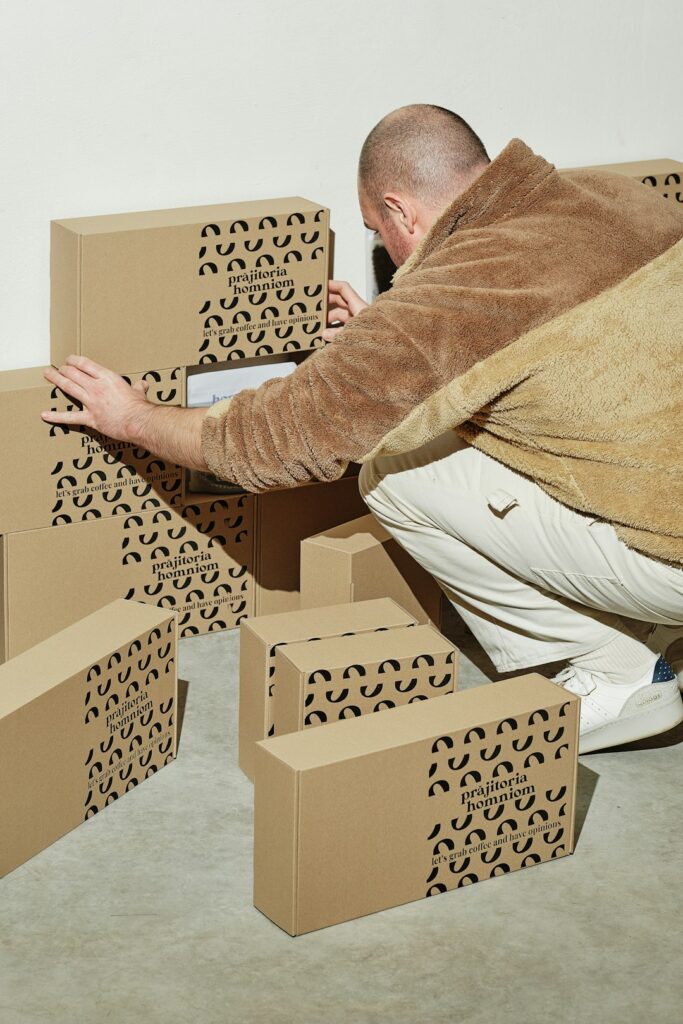
Lifting is part of ordinary life for many residents in New Hartford, NY. Carrying groceries, moving storage bins, shoveling snow, handling firewood, lifting laundry baskets, and doing home repairs can all place stress on the spine—especially when the object is heavy, awkward, far from the body, or handled on an uneven surface.
Safe lifting is not just about “using your legs.” The safest approach combines planning, stable footing, a neutral spine, controlled movement, and knowing when a load is better divided, carried with help, or moved with equipment.
What makes lifting hard on the spine?
The spine is placed under greater strain when a person bends forward, reaches away from the body, twists, or moves suddenly while holding weight. A load that feels manageable at waist height may become much more demanding when lifted from the floor or held at arm’s length.
Risk tends to increase when:
- The object is heavy, bulky, unstable, or difficult to grip.
- The lift begins from the floor or another low position.
- The path includes stairs, ice, clutter, or poor lighting.
- The person must turn while carrying the load.
- Lifting is repeated for a long period without rest.
- Fatigue, pain, or limited mobility affects balance and coordination.
Weight matters, but it is not the only factor. Distance from the body, the height of the lift, frequency, speed, posture, and the condition of the floor can all change how demanding a task becomes.
How should a person prepare before lifting?
The safest lift begins before the object leaves the ground. Take a moment to inspect the load and the route.
Clear boxes, toys, tools, wet spots, snow, and other obstacles from the path. Open doors before lifting if possible, and make sure the destination has enough room to set the object down without twisting or reaching.
Then assess the object:
- Is the weight evenly distributed?
- Can the contents shift?
- Are handles available?
- Is the object too wide to hold close?
- Will the lift require stairs, a step, or an uneven outdoor surface?
- Can the load be divided into smaller portions?
Test the weight with a gentle push or partial lift. If it feels unexpectedly heavy, unstable, or difficult to grip, stop and change the plan. A cart, hand truck, smaller container, or second person may be safer than relying on lifting technique alone.
What is the safest lifting position?
Stand close to the object with the feet about shoulder-width apart, or slightly wider for balance. Place one foot a little ahead of the other if that feels more stable.
Bend at the hips and knees rather than folding sharply through the low back. Keep the spine in a comfortable, neutral position—not rigidly straight, but not rounded under load. Tightening the abdominal muscles gently can help provide support, while holding the breath or bracing excessively may make movement less controlled.
Use both hands when possible. Grip the object securely, keep it close to the body, and rise smoothly by pushing through the feet and extending the hips and knees. Avoid jerking, bouncing, or trying to “power through” the first few inches of the lift.
The load should remain near the waist or midsection rather than extended in front of the chest. The farther an object is held from the body, the greater the leverage placed on the back and shoulders.
Should a person twist while carrying something?
No. Turn by moving the feet instead of rotating the trunk while holding the load. Twisting and lifting together can place a sharp, uneven demand on the muscles, joints, and discs of the back.
If the destination is behind or to the side, set the object down, reposition the feet, and lift or carry it in the new direction. For repeated tasks, arrange the work area so that the most common movements occur straight ahead rather than across the body.
The same principle applies when setting an object down. Walk close to the destination, keep the object near the body, bend through the hips and knees, and lower it slowly. Do not reach forward and drop the load from a distance.

How can residents reduce lifting strain during seasonal tasks?
Seasonal chores in the community often involve awkward loads rather than a single heavy object. Snow equipment, bags of salt, wet leaves, garden materials, and stacked storage containers can be especially challenging because their shape and balance change during handling.
For outdoor work:
- Use smaller containers instead of overfilling one large bin.
- Push or pull equipment when the surface and tool allow it, rather than carrying it.
- Keep frequently used supplies between knee and shoulder height.
- Avoid lifting on icy or wet surfaces until stable footing is available.
- Take short breaks before fatigue affects posture.
- Use a shovel or other tool that allows the task to stay close to the body.
For household storage, place heavier items on shelves around waist level. Very low and very high shelves tend to encourage bending, reaching, or awkward lowering.
Is “lifting with your legs” enough?
Not by itself. Leg strength can help, but a person can still strain the back while squatting if the load is too heavy, held too far away, lifted quickly, or carried while twisting.
A safer lift combines several habits:
1. Plan the movement and clear the route.
2. Keep a stable base with both feet.
3. Bend through the hips and knees.
4. Keep the back in a comfortable neutral position.
5. Hold the object close.
6. Move smoothly without jerking.
7. Turn with the feet.
8. Set the load down with the same care used to lift it.
There is no universal weight limit that is safe for every person or situation. A light object can cause trouble if it is awkward, repetitive, or handled in a poor position. A heavier object may be manageable only with assistance or mechanical support.
What should someone do if pain begins during a lift?
Stop the activity if pain is sudden, sharp, worsening, or accompanied by a feeling that the back has “given way.” Do not repeatedly test the painful movement or continue lifting to finish the task.
Seek prompt medical evaluation for back pain after a significant fall or impact, severe pain that does not ease, new weakness or numbness, difficulty walking, loss of bladder or bowel control, fever, or pain traveling below the knee. These symptoms can require more than routine self-care.
For less severe soreness, temporarily reducing aggravating activities and using comfortable movement may be reasonable, but persistent or recurring symptoms deserve assessment. A qualified health professional can help determine whether the problem involves the back, hip, nerves, or another source and can provide guidance appropriate to the individual.
The goal of safe lifting is not perfect posture or avoiding every physical task. It is reducing unnecessary strain by preparing the movement, keeping loads close, avoiding twisting, and changing the plan whenever an object or environment exceeds what can be handled securely.
