
 See Our Latest Article on HelloNation
Digestive symptoms such as bloating, constipation, abdominal discomfort, and irregular bowel habits are common. Many people in New Hartford, NY wonder whether chiropractic care can improve these problems, especially when symptoms seem connected to back tension, stress, posture, or limited movement.
The short answer is that chiropractic care may support comfort and mobility for some people, but it is not a proven treatment for most digestive diseases. Digestive symptoms can have many causes, and persistent or severe problems should be medically evaluated rather than attributed to spinal alignment alone.
Can chiropractic care directly treat digestive disorders?
No strong evidence shows that spinal adjustments can cure conditions such as inflammatory bowel disease, celiac disease, intestinal obstruction, ulcers, gastrointestinal infections, or colon cancer.
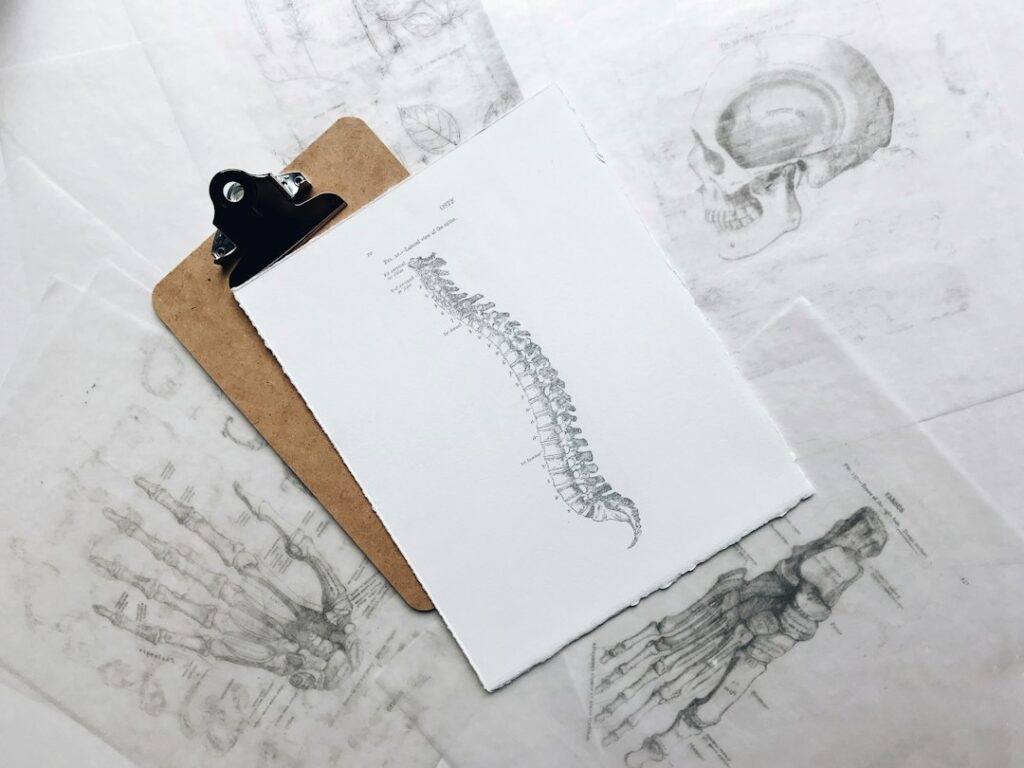
Chiropractic care primarily focuses on the musculoskeletal system, including the spine, joints, muscles, and movement patterns. Treatment may include spinal manipulation, mobility exercises, soft-tissue techniques, posture education, and advice about physical activity.
Some people report that musculoskeletal treatment helps them feel less abdominal or low-back tension. That improvement may make movement more comfortable, but it does not necessarily mean the underlying digestive condition has been treated.
Digestive function is influenced by the nervous system, hormones, circulation, diet, hydration, medications, sleep, stress, and the movement of the gastrointestinal tract. The relationship between the spine and digestion is complex, so broad claims that a “misaligned” spine causes constipation or reflux are not supported by reliable evidence.
When might chiropractic care be relevant?
Chiropractic care may be relevant when digestive discomfort occurs alongside musculoskeletal problems.
For example, a person who sits for long periods, drives frequently, lifts children, shovels snow, or spends much of the winter indoors may develop stiffness in the lower back, ribs, hips, or abdominal wall. That tension can sometimes be experienced as pressure, aching, or discomfort near the abdomen. Improving movement in the surrounding areas may reduce the musculoskeletal component of the discomfort.
Some people also notice that stress increases both muscle tension and digestive symptoms. Gentle movement, breathing exercises, improved sleep habits, and treatment for back or neck pain may support general comfort. These effects are different from treating the biological cause of irritable bowel syndrome, chronic constipation, reflux, or inflammatory disease.
A careful evaluation should distinguish between:
- Pain caused by muscles, joints, or the spine
- Digestive symptoms caused by food, medication, infection, or disease
- Symptoms influenced by both physical tension and gastrointestinal sensitivity
What digestive symptoms should not be managed with chiropractic care alone?
Digestive symptoms deserve medical attention when they are persistent, worsening, unexplained, or associated with warning signs. Chiropractic treatment should not delay diagnosis of a potentially serious condition.
Prompt medical evaluation is especially important for:
- Blood in the stool or rectal bleeding
- Black, tarry stools
- Unexplained weight loss
- Ongoing vomiting
- Fever with abdominal pain or diarrhea
- Severe or constant abdominal pain
- A swollen abdomen with inability to pass gas or stool
- New bowel changes later in adulthood
- Symptoms that repeatedly wake someone from sleep
- Yellowing of the skin or eyes
- Difficulty swallowing
- A family history of colon cancer or inflammatory bowel disease
Constipation accompanied by constant abdominal pain, vomiting, fever, bleeding, or inability to pass gas may require urgent assessment. These symptoms can occur with problems that spinal treatment cannot safely address, including obstruction, infection, bleeding, or inflammation.
Can chiropractic care help with constipation?
There is not enough reliable evidence to recommend spinal manipulation as a primary treatment for constipation.
Constipation is often related to inadequate fluid intake, low fiber intake, reduced physical activity, changes in routine, certain medications, pelvic floor dysfunction, thyroid problems, diabetes, irritable bowel syndrome, or other medical conditions.

Safe first steps for many adults may include gradually increasing dietary fiber, drinking adequate fluids, walking regularly, responding to the urge to have a bowel movement, and reviewing medications with a qualified medical clinician. Fiber should be increased gradually because a sudden increase may worsen bloating or gas.
Movement can support normal bowel habits. In that limited sense, treatment that makes walking, bending, or daily activity easier may indirectly help a person maintain habits associated with digestive regularity. That is not the same as proving that an adjustment stimulates the colon or corrects constipation.
What about bloating, reflux, or irritable bowel syndrome?
Bloating and abdominal discomfort can result from gas, food intolerances, constipation, intestinal sensitivity, or irritable bowel syndrome. Reflux may be influenced by meal timing, body weight, certain foods, medications, or the function of the lower esophageal sphincter. These conditions require approaches specific to their causes.
For irritable bowel syndrome, useful strategies may include identifying food triggers, managing stress, improving sleep, increasing activity, and using treatments recommended by a medical clinician or dietitian. Some people benefit from structured dietary approaches, but restrictive diets should be undertaken carefully to avoid nutritional deficiencies.
Chiropractic care may be considered as a complementary approach for associated back pain or movement limitations, provided it does not replace evaluation and treatment for the digestive condition itself.
How should someone discuss chiropractic care with other clinicians?
Open communication is useful. A person can describe the full symptom pattern, including:
- When symptoms began
- Whether pain changes after eating or using the bathroom
- Frequency and appearance of bowel movements
- Changes in weight or appetite
- Current medications and supplements
- Previous abdominal surgery
- Family history of digestive disease
- Any relationship to stress, activity, or posture
This information helps separate abdominal symptoms from pain arising in the back, ribs, pelvis, or abdominal muscles. It also reduces the chance that a serious digestive problem will be overlooked.
People taking blood thinners, living with osteoporosis, having a history of spinal surgery, or experiencing numbness, weakness, or loss of bladder or bowel control should discuss safety before undergoing forceful spinal techniques.
What is a reasonable expectation for local residents?
For households managing long winters, icy walking conditions, snow removal, indoor work, and seasonal changes in activity, back stiffness and reduced mobility can become more noticeable. Addressing those physical limitations may improve comfort and make regular walking or exercise easier.
A reasonable expectation is that chiropractic care might help with certain musculoskeletal contributors to discomfort or inactivity. It should not be presented as a cure for digestive disease, a replacement for medical testing, or a universal solution for constipation, reflux, bloating, or irritable bowel syndrome.
The most useful approach is coordinated: investigate ongoing digestive symptoms, maintain appropriate nutrition and hydration, stay physically active as tolerated, and consider musculoskeletal care only as one part of a broader plan.
